Tasting Terre: Heirloom Vines and Olive Groves of Umbria
Field research conducted in the hills of Montefalco and Trevi
1. The Green Gold of the Trevi Slopes
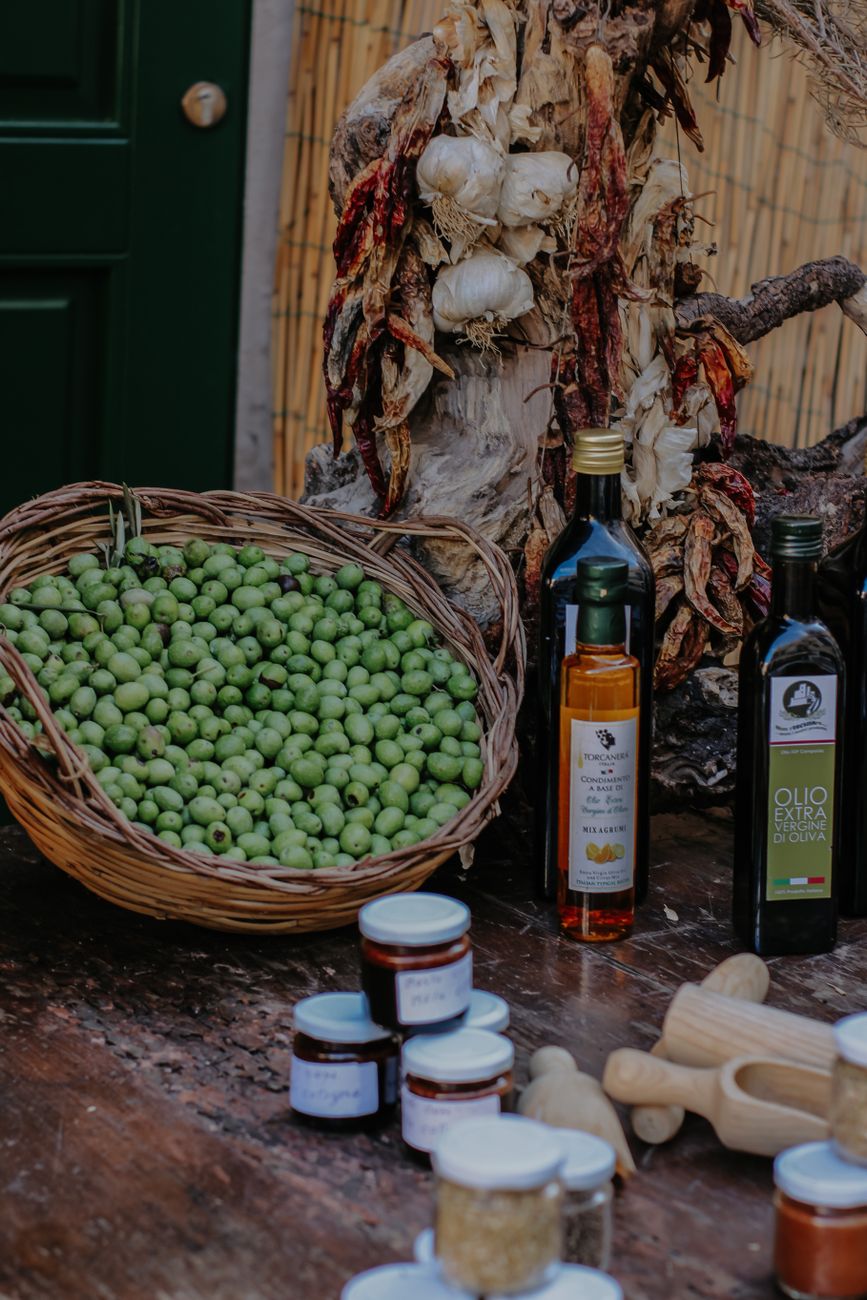
In mid-November, the terraced hillsides surrounding Trevi hum with quiet urgency. Families gather beneath silver-leafed Moraiolo olive trees, laying woven green nets across the stony earth. Here, the harvest remains stubbornly manual. Mechanized harvesters cannot navigate these steep inclines, nor do the growers wish them to.
At the local mill (frantoio), the scent of crushed olives fills the air with notes of wild artichoke, bitter almond, and fresh cut grass. The newly pressed oil runs opaque, almost fluorescent green into stainless steel carafes. Poured over warm, salt-free toasted country bread, it delivers an unmistakable peppery bite at the back of the throat—evidence of high polyphenol concentrations and unadulterated freshness.
2. Sagrantino: The Uncompromising Tannin
A short drive southwest brings you to Montefalco, an ancient fortified hilltop village overlooking rows of gnarly, deep-rooted grapevines. Sagrantino is one of the most tannic red grapes on earth. Handled clumsily, it produces an impenetrable liquid; crafted with reverence, patience, and extended oak aging, it yields aromas of wild blackberries, cacao, and damp forest floor.
We visited the family cellar of Marco, a third-generation vigneron who refuses synthetic pesticides. "Wine is not manufactured in a laboratory," Marco remarks while drawing a sample directly from an ancient Slavonian oak barrel. "It is the distilled memory of winter rains, August heat, and the microorganisms living in our limestone clay."
"When food is produced in intimate relationship with the land, each mouthful becomes a geography lesson."
3. Wood-Fired Hearth Traditions
Dinner in Umbria is anchored by the fireplace. Wild boar ragù simmers for hours in earthenware pots, wild chicory is tossed with garlic and aged lard, and spelt lentils from Castelluccio di Norcia are served simply with cracked black pepper. In an era dominated by rapid delivery apps and processed ingredients, spending four hours at an oak table savoring slow-cooked heritage grains is an act of cultural restoration.
Share This Story:
Curating Your Culinary Journey?
Let 111111 arrange private introductions to biodynamic estates, truffle hunters, and rustic farmstays.
Inquire With Editors